Nurata is a small town at the foot of the Nuratau Mountains, on the edge of the Kyzylkum desert. Most travellers pass it on the road between Samarkand and Bukhara without stopping, which is a pity: it packs ancient ruins, a sacred spring and a living textile tradition into one short visit.
The fortress
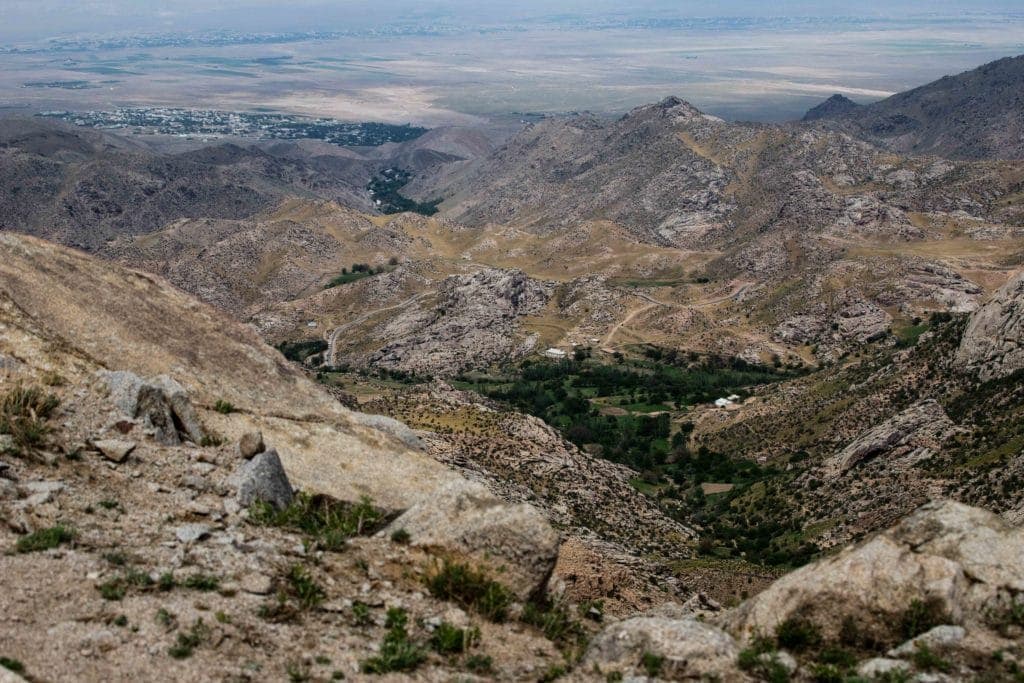
The ruins above the town are traditionally linked to Alexander the Great. Even in ruins, the hilltop position shows why the site mattered, and it is a good place for a view over the town and the desert beyond.
Chashma spring and mosque
Chashma is a sacred spring with a mosque complex, and it remains a place of pilgrimage. Dress modestly, with shoulders and knees covered, and behave as you would at any active religious site.
Suzani embroidery
Nurata is known for its suzani embroidery, and our itinerary includes a visit to a local workshop where you can see the work being done. To learn what the motifs mean, read our article on suzani and ikat.
Getting here
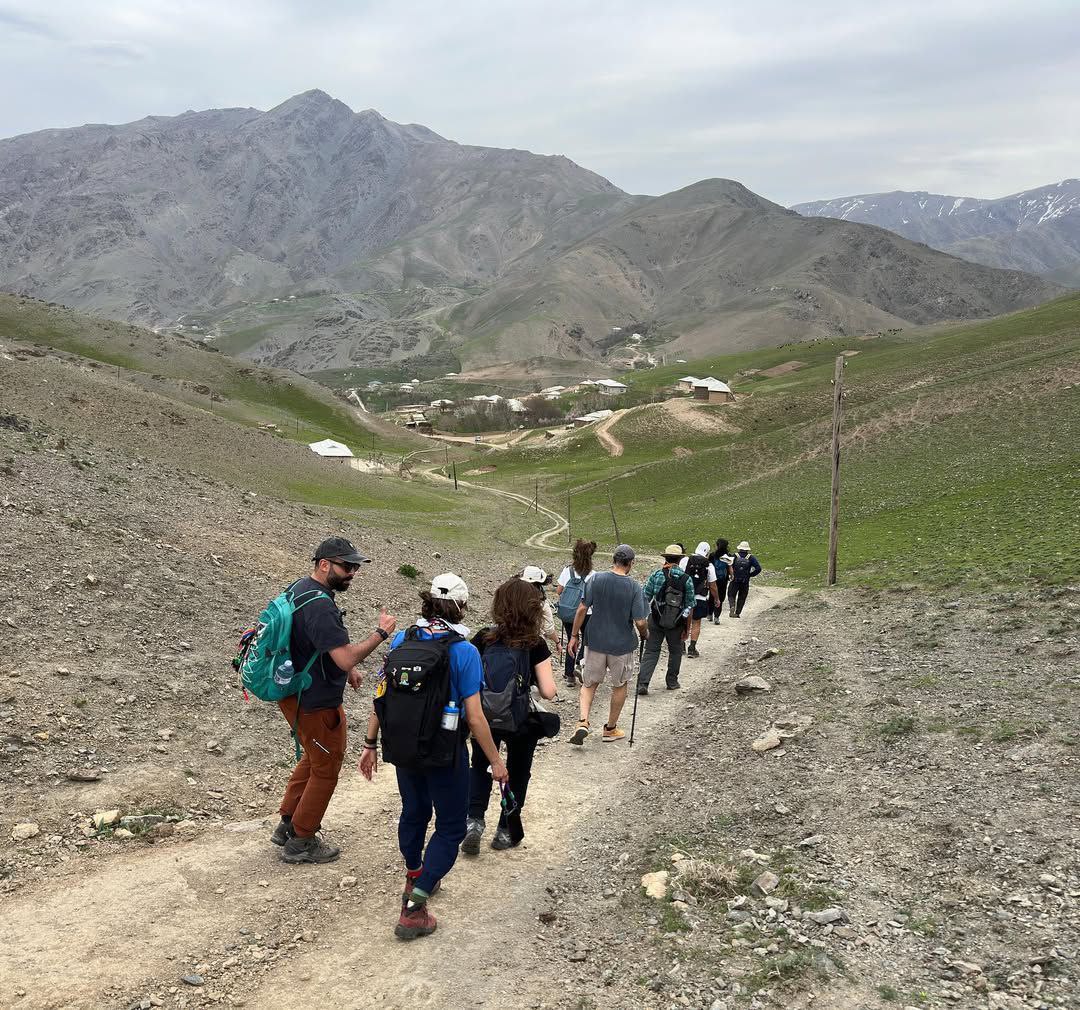
Nurata lies between Samarkand and Bukhara, so it works as a stop on the road or as the starting point for Aydarkul Lake and the Nuratau villages. On our 3-day Nuratau tour, the last day starts with breakfast in the village, continues to Nurata for the fortress ruins, the Chashma complex and a suzani workshop, and ends with a transfer to Bukhara or Samarkand in the late afternoon or evening.
Tips
Allow two to three hours, wear comfortable shoes for the hill, carry some cash for the workshop and visit in spring or autumn for the most comfortable weather.
The story behind the town
Nurata's old name was Nur, meaning "light". Tradition says the fortress was founded by Alexander the Great during his campaigns in Central Asia in the 4th century BC, and for centuries the town guarded the route between the settled lands and the desert. Local legends also explain the name: one tells of a light, sometimes said to be a falling star, at the place where the spring appeared.
The sacred fish of Chashma
The spring feeds a pool full of fish that are considered sacred. Nobody catches them, and visitors often stop to watch them in the clear water. Pilgrims come to pray, to drink or collect the water, which is believed to have healing properties, and to visit the mosques of the complex. Keep your voice low and give way to people at prayer.
Water in the desert
Around Nurata you may notice old traces of karez, underground channels that brought water from the foothills to the fields without losing it to evaporation. They show how much life here has always depended on careful use of water. Ask your guide to point them out if you are interested.
Buying a suzani
A hand-embroidered suzani takes a long time to make, and prices reflect the size, the density of the stitching and whether natural dyes were used. Look at the back: neat, even stitches are a good sign of quality. Buying directly from the workshop supports the women who make them. Smaller pieces such as cushion covers are easier to carry home than a large wall hanging.
Combining Nurata with the villages
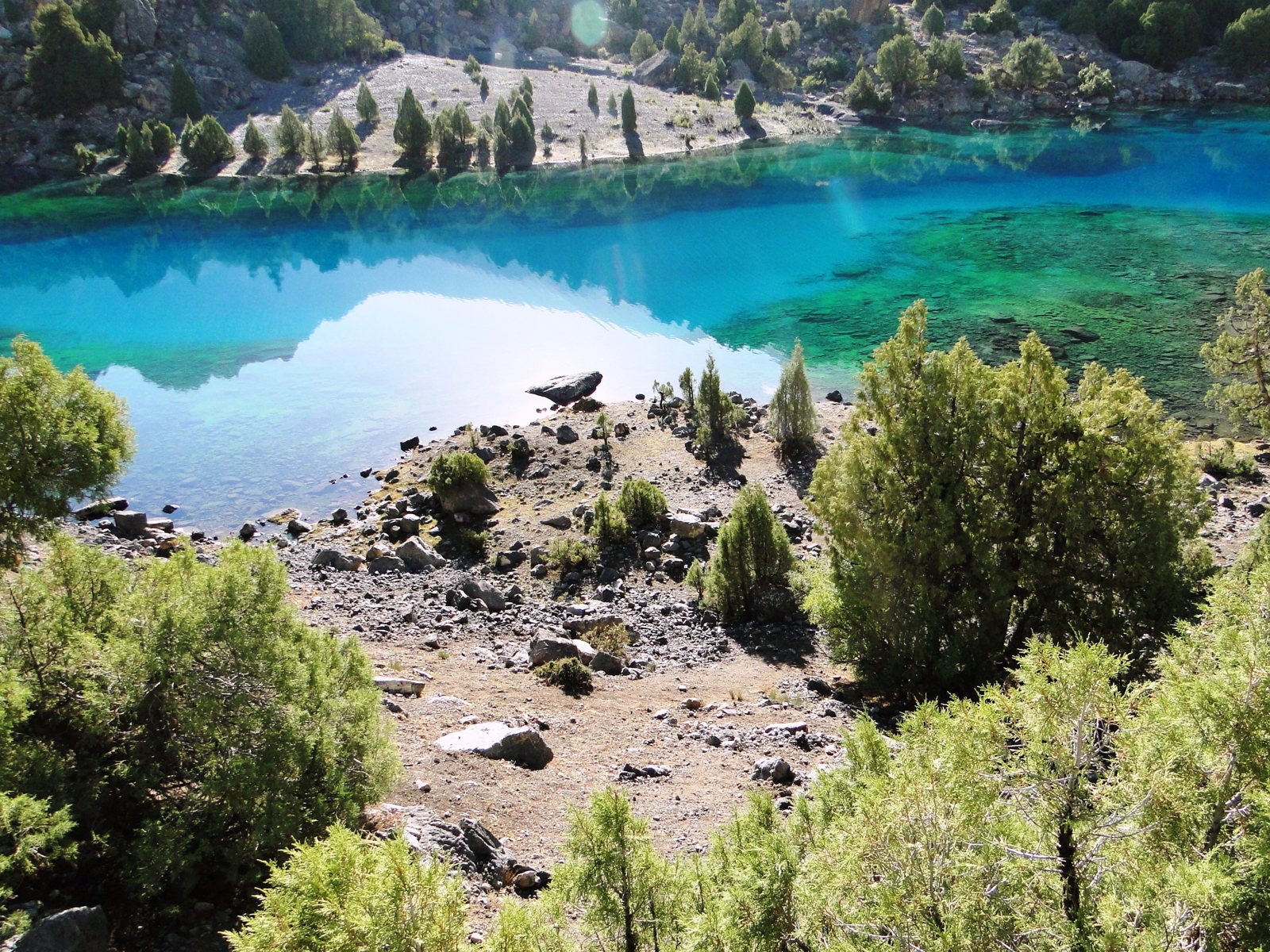
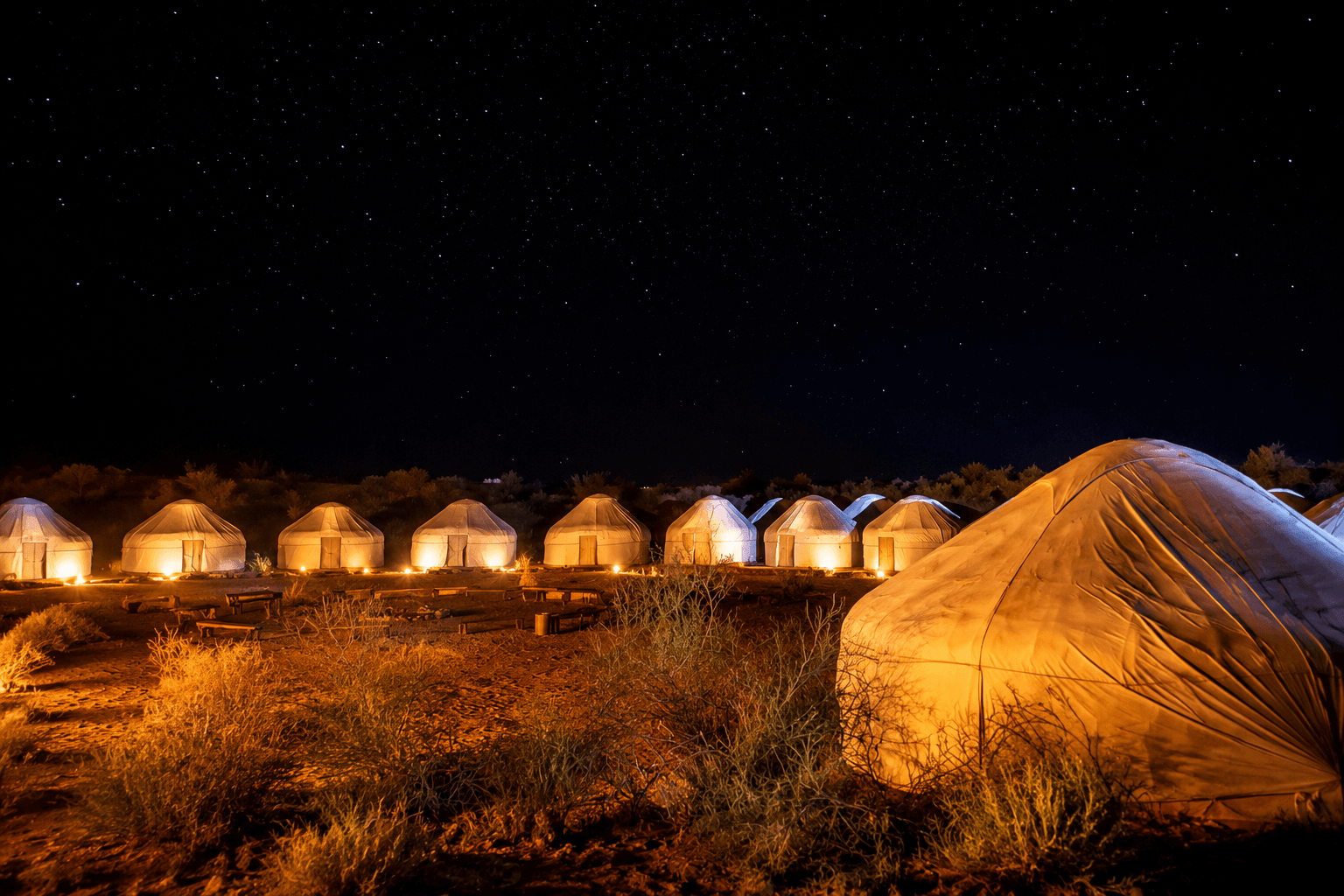
Nurata works best as part of a longer route. On our 3-day Nuratau tour it is the last stop before you return to Samarkand or Bukhara, after two days in the mountain villages. On the 5-day route it comes on the last day, after the villages, Aydarkul Lake and the yurt camp. Read our guide to Nuratau village homestays to see what the rest of the trip looks like.
Photography and respect
The fortress hill gives the best view over the town, especially late in the day. At the Chashma complex, photographing the architecture and the pool is usually fine, but ask before photographing people, especially those praying, and avoid using a flash inside the mosques.
Plan your trip
Our 3-day Nuratau tour combines village homestays, a guided hike and a visit to Nurata town, without the extra desert night. It starts in Samarkand or Bukhara.